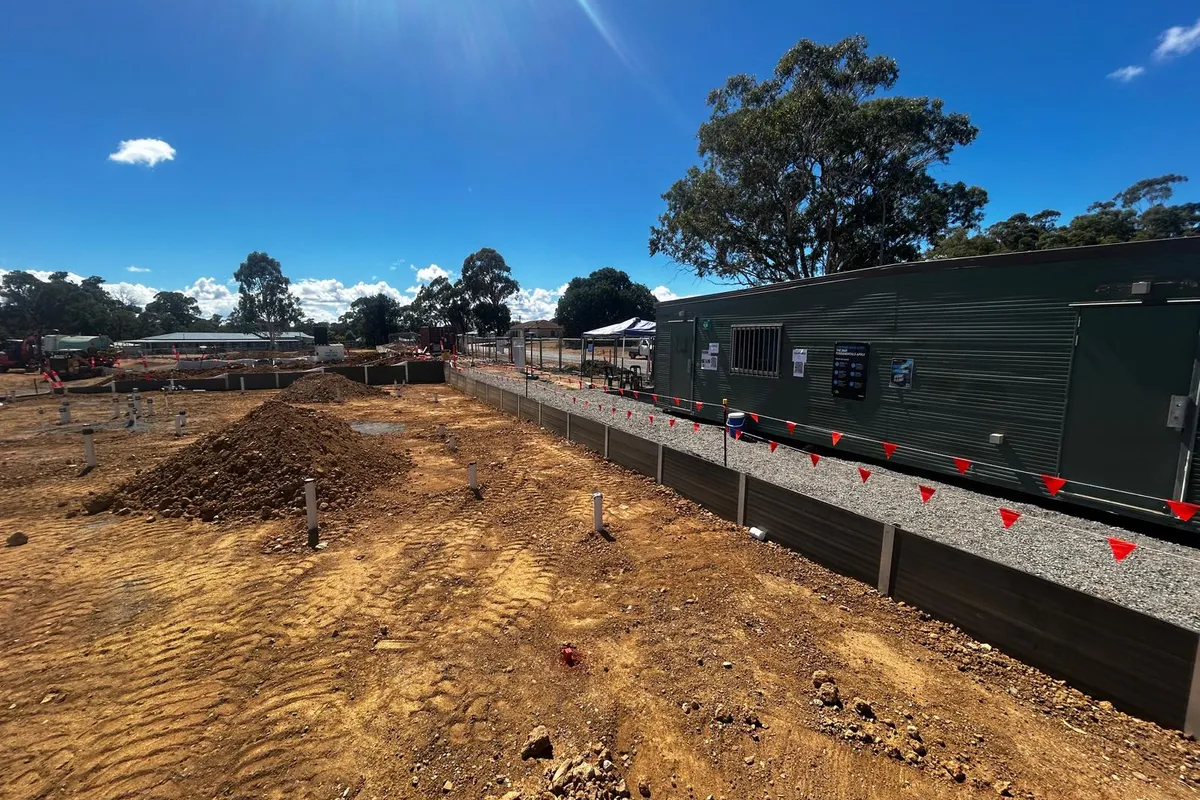
A good retaining wall does a lot more than hold back dirt. It manages water, protects your foundations, creates usable land, and quietly adds resale value for the next 60 years.
A bad one does the opposite — slumps, leaks, takes the fence with it, and ends up costing two or three times the original install to put right. The difference almost always comes down to two things: picking the right system for your site and building it properly.
This guide walks through what a retaining wall actually does, the four main systems we install in South-East Queensland, how to decide which is right for your project, and when it's time to stop DIY-ing and call a QBCC licensed builder.
What a Retaining Wall Actually Does
Before you choose a system, it helps to understand what you're asking it to do. There are four jobs a good wall quietly handles every day:
Hold Back Earth Movement
On sloped blocks, gravity is constantly pulling soil downhill. A properly engineered retaining wall stops slips, slumping and erosion before they become structural problems.
Manage Water and Drainage
A good wall isn't just concrete and steel. It includes ag-pipe, geotextile and free-draining backfill that redirect water away from your foundations and your neighbours.
Unlock Usable Land
Tiered walls turn unusable slopes into level lawn, garden beds, driveways or pool pads. The right design adds living space without needing to extend the house.
Protect Your Investment
Failed retaining walls cause foundation damage, fencing collapse and disputes with neighbours. A wall built to Australian Standards protects the value of your property for decades.
The Four Main Wall Systems
In Brisbane and the Gold Coast we build four main types of retaining wall. Each has a sweet spot — here's a clear-eyed comparison.
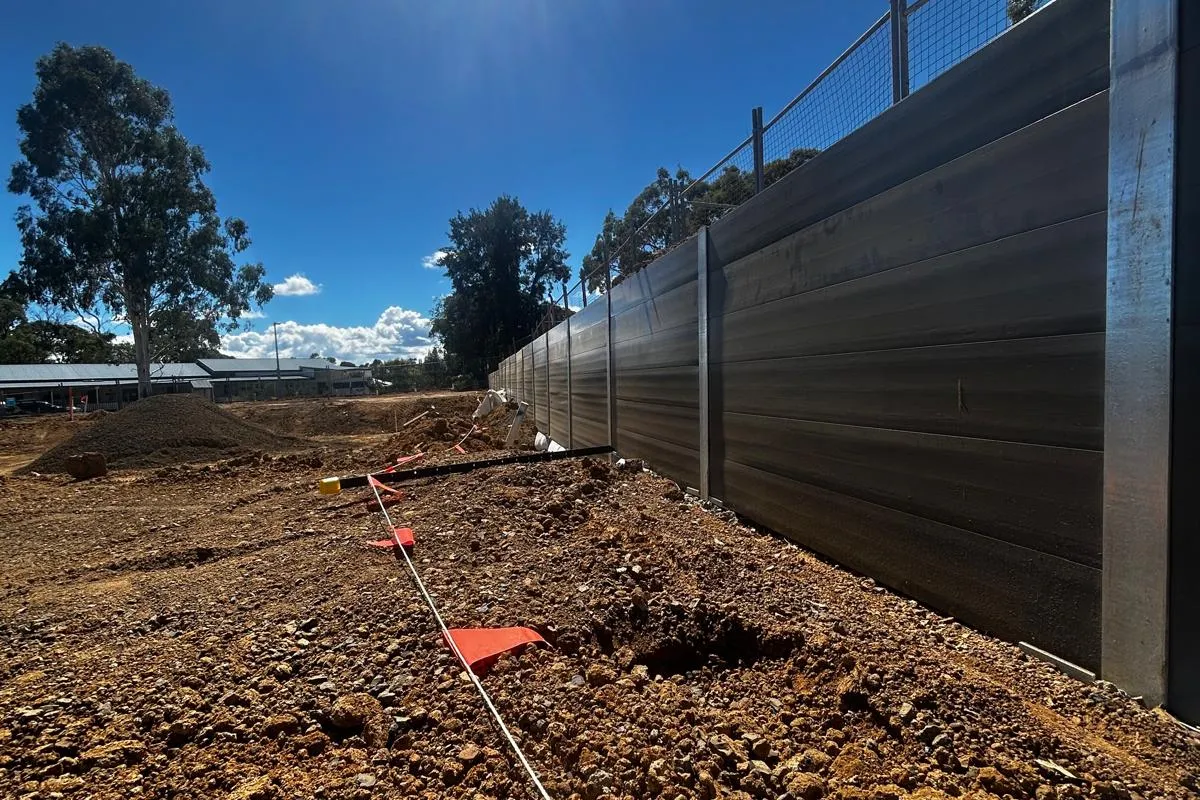
Concrete Sleeper Walls
The workhorse of modern Australian retaining. 40MPa precast concrete sleepers slide between galvanised or hot-dipped steel posts.
Strengths
- 60-year design life
- Strong and fire-resistant
- Plain or decorative finishes
- Suits 0.5m – 3m+ walls
Trade-offs
- Higher upfront cost than timber
- Heavier — needs machine access
Best for: Most residential and commercial projects where longevity and structural certainty matter.
Learn moreSuperSleeper® Systems
A premium engineered system designed for higher walls, surcharge loads and civil-grade applications.
Strengths
- Engineered for heavy loads
- STA Certified
- Excellent for builders & developers
- Predictable install timeline
Trade-offs
- Premium price point
- Best suited to larger jobs
Best for: Subdivisions, civil works, multi-tiered walls and any site where compliance documentation is required upfront.
Learn moreTimber Retaining Walls
Treated hardwood sleepers with steel posts. The classic Australian backyard option for low garden walls.
Strengths
- Lower upfront cost
- Quick to install
- Natural look in landscaping
Trade-offs
- Shorter lifespan (15–25 years)
- Susceptible to rot and termites
- Limited to lower heights
Best for: Garden beds, low feature walls and budget-conscious residential projects under ~1m.
Learn moreBlock & Masonry Walls
Reinforced besser block, core-filled with concrete. Strong, permanent and finished to taste.
Strengths
- Very long lifespan
- Can be rendered or face-finished
- Holds significant loads
Trade-offs
- Slower to build
- More expensive than sleeper systems
- Requires footing and engineering
Best for: Architectural walls, feature walls and projects where the wall is part of the building's visual design.
Learn more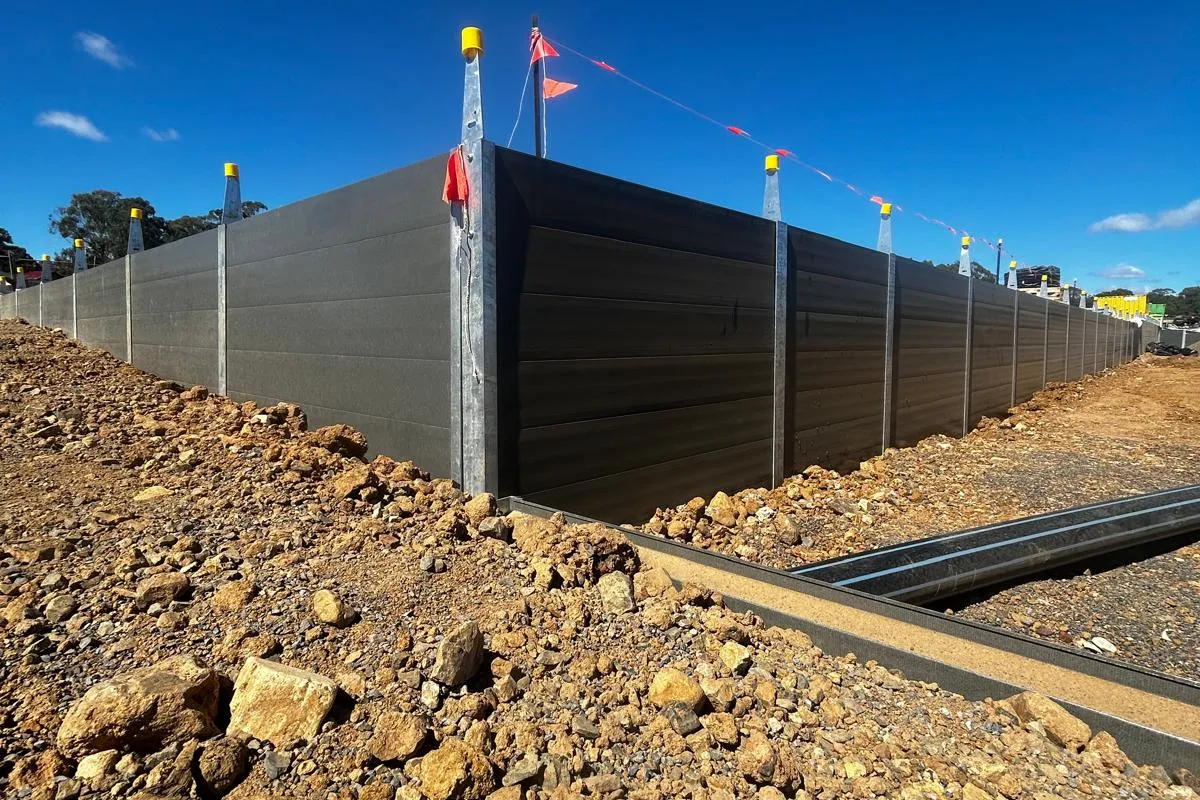
How to Choose the Right Retaining Wall
Six factors do most of the heavy lifting when deciding which system fits your project:
Factor 1
Wall Height
Anything over 1m in Queensland needs structural certification and usually a building approval. Beyond 1.5m you're firmly in engineered-wall territory, where concrete sleeper or SuperSleeper systems are the right call.
Factor 2
Surcharge Load
Will there be a driveway, pool, vehicle parking, or another structure within 1.5× the wall height? That's called a surcharge load and dramatically changes the engineering. Be honest with your builder.
Factor 3
Site Access
Some sites can't fit an excavator or boom truck. That can rule out heavier systems. We always do a site visit before quoting to make sure the system we recommend is buildable on your block.
Factor 4
Drainage
Soil type and water flow matter. A clay site that holds water needs more aggressive drainage than a free-draining sandy site. Cutting corners on drainage is the single most common cause of premature wall failure.
Factor 5
Lifespan Expectations
If you're going to live in the house for 20+ years, a $4–6k saving on timber today often costs $15–20k+ in replacement and landscaping repair down the line.
Factor 6
Aesthetics
Plain grey panel? Decorative ribbed face? Rendered block? The visible wall is part of your property's look for the next half-century — worth thinking about.
When You Need a QBCC Licensed Builder
In Queensland, anyone building a retaining wall over 1m or doing work valued over $3,300 needs to hold a QBCC licence. There are also situations where you legally must engage a structural engineer. As a rule of thumb, call a professional if you tick any of these boxes:
- Any wall over 1m high in QLD (building approval required)
- Any wall with a driveway, pool or structure above it (surcharge load)
- Walls within 1.5m of the property boundary
- Multi-tiered or terraced walls
- Sites with significant water flow or unstable soil
- Any commercial, civil or subdivision project
Elite Walls & Fencing is QBCC Licensed (#15294959), STA Certified, and fully insured for residential, commercial and civil work across South-East Queensland.
Get an Instant Estimate
Skip the back-and-forth. Use our online calculator for an indicative price in 60 seconds, or call us and we'll organise a free on-site quote.