
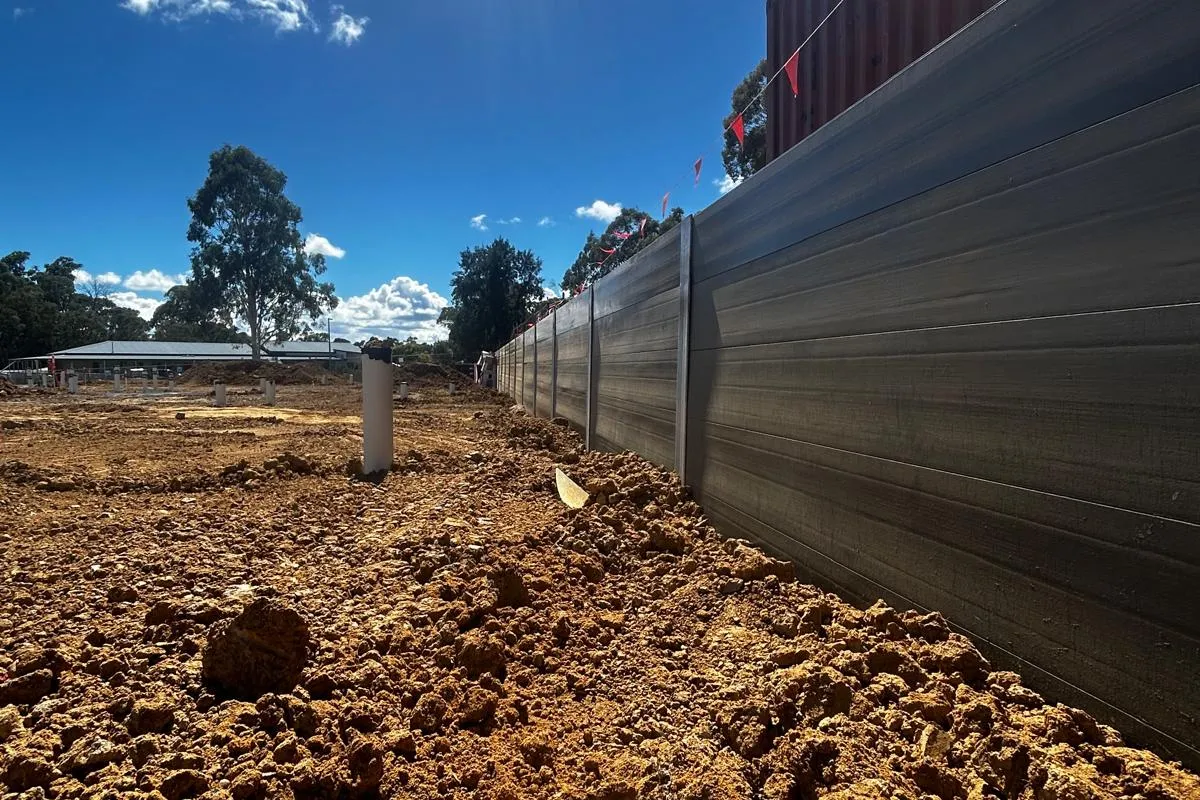
When most people picture a retaining wall, they picture concrete. In reality you've got six legitimate materials to choose from, and each one changes how the wall looks, how long it lasts, and what it costs you over the next two decades.
The right material isn't the most expensive one or the cheapest one — it's the one that matches the job. A $1,200 timber wall in a back garden is a smart choice. The same timber wall holding up a driveway is a slow-motion disaster.
Here's how each material compares on the things that actually matter — and a quick reference at the bottom for matching material to project.
Why Material Choice Matters
Before comparing materials head-to-head, it helps to know what you're actually optimising for. There are four big factors the material decides for you:
Curb Appeal
Your retaining wall is one of the largest visible features at the front of your property. Material choice sets the tone — modern, rustic, industrial or refined — and either lifts your home's street presence or undercuts it.
Privacy & Safety
Tall, solid walls double as privacy screens and fall barriers. The material affects how visually solid the wall feels and whether you'll need additional fencing or balustrading on top.
Lifespan
Different materials are rated for very different design lives — anywhere from 15 to 80+ years. Pick the wrong one for your conditions and you're paying for replacement and landscaping repair twice.
Compliance
Some materials only suit lower walls. Once you go over 1m in QLD you're in engineered-wall territory where not every material is structurally certified for the load.
The Six Retaining Wall Materials Compared
Each material has its strengths. Here's a clear comparison of looks, lifespan, height range, cost and where each one shines.
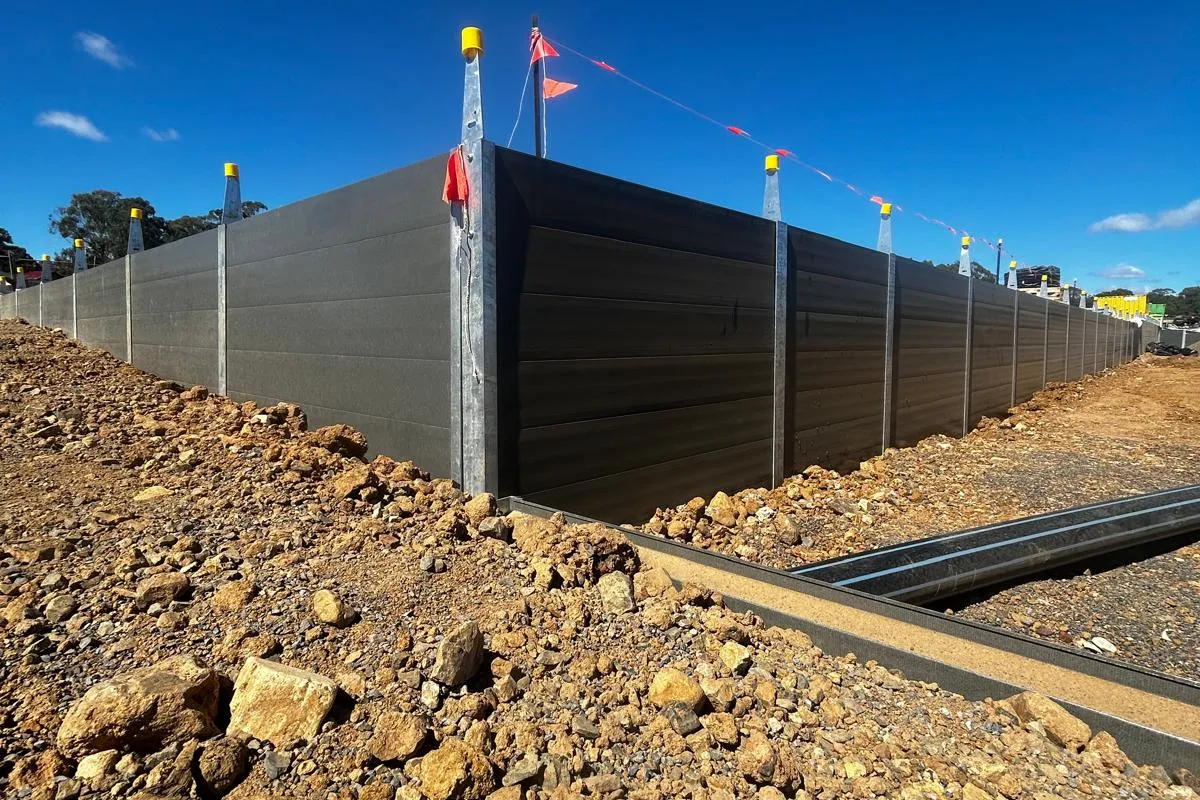
Concrete Sleeper
Modern, clean lines. Plain grey or decorative ribbed face.
Lifespan
60+ years
Heights
0.3m – 3m+
Cost Tier
$$ – $$$
Strengths
- Long design life
- Fire-resistant
- Multiple finish options
- Engineered and certified
Trade-offs
- Higher upfront cost than timber
Best for: Most modern Australian properties — by far the most popular structural choice in Brisbane and the Gold Coast.
Explore service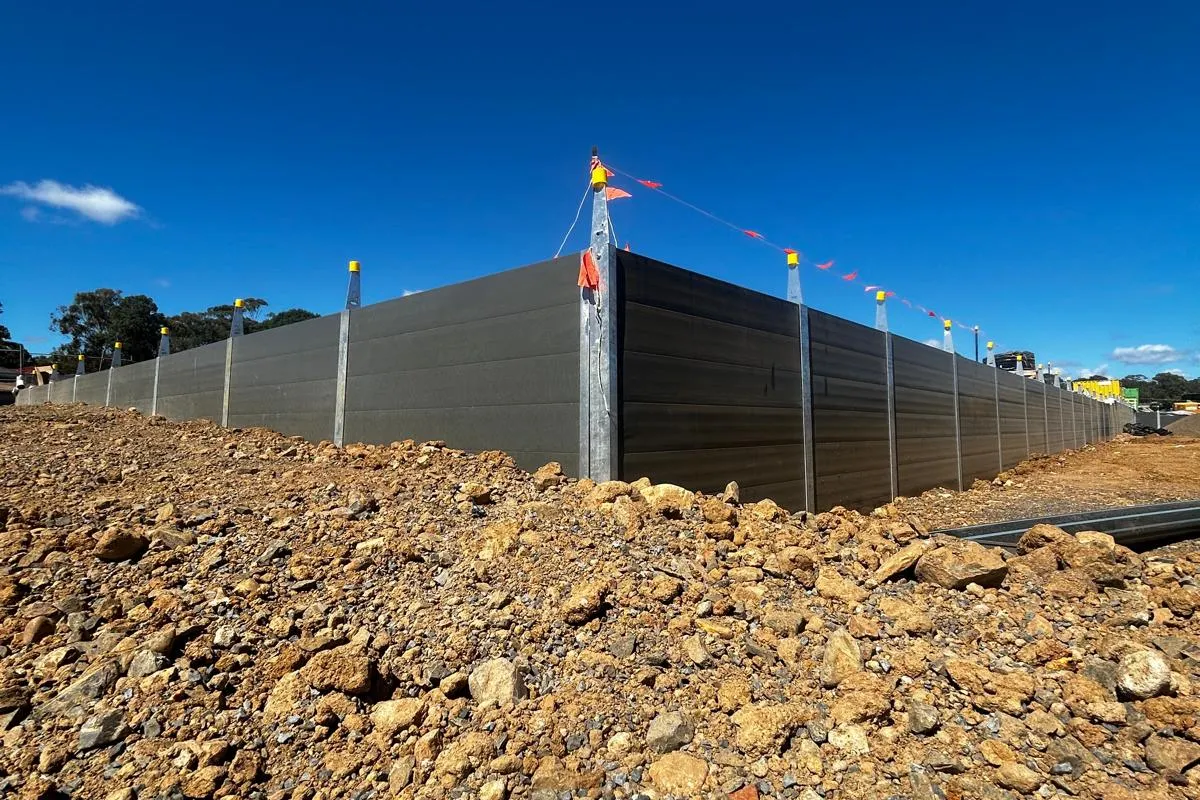
SuperSleeper® System
Premium concrete with consistent factory finish, engineered post system.
Lifespan
60+ years
Heights
1m – 6m+
Cost Tier
$$$ – $$$$
Strengths
- Heavy-load rated
- STA Certified
- Suits civil and commercial
- Predictable install
Trade-offs
- Premium price
- Overkill for small residential jobs
Best for: Subdivisions, civil works, multi-tiered walls and projects needing certified engineering documentation.
Explore service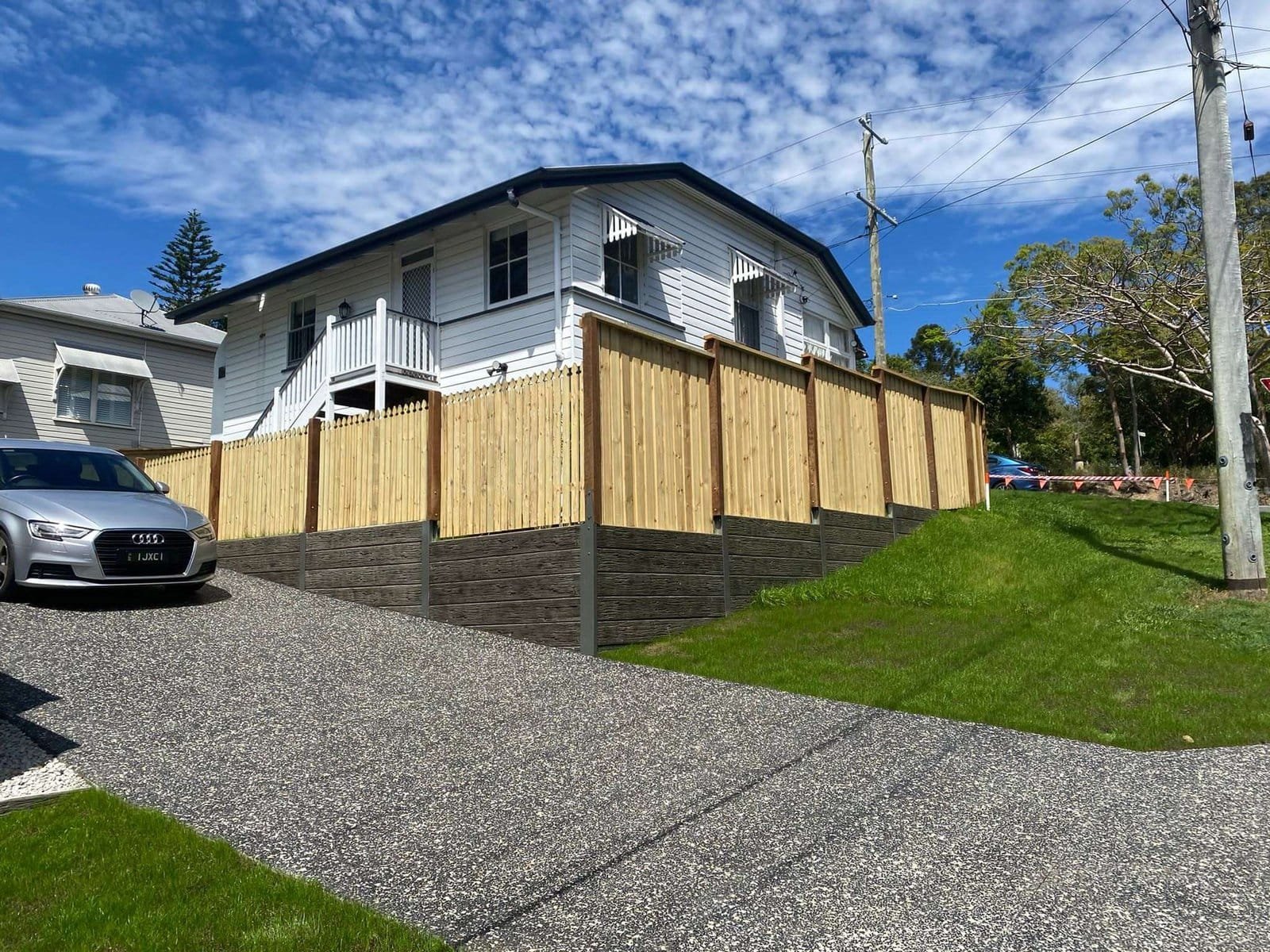
Treated Timber
Natural warm tones that weather to silver-grey. Rustic, soft, landscape-friendly.
Lifespan
15 – 25 years
Heights
Up to ~1m
Cost Tier
$
Strengths
- Lowest upfront cost
- Quick install
- Looks great in garden settings
Trade-offs
- Shorter lifespan
- Susceptible to rot and termites
- Limited heights
Best for: Low garden walls, planter beds, feature walls in landscaping where natural texture is the goal.
Explore service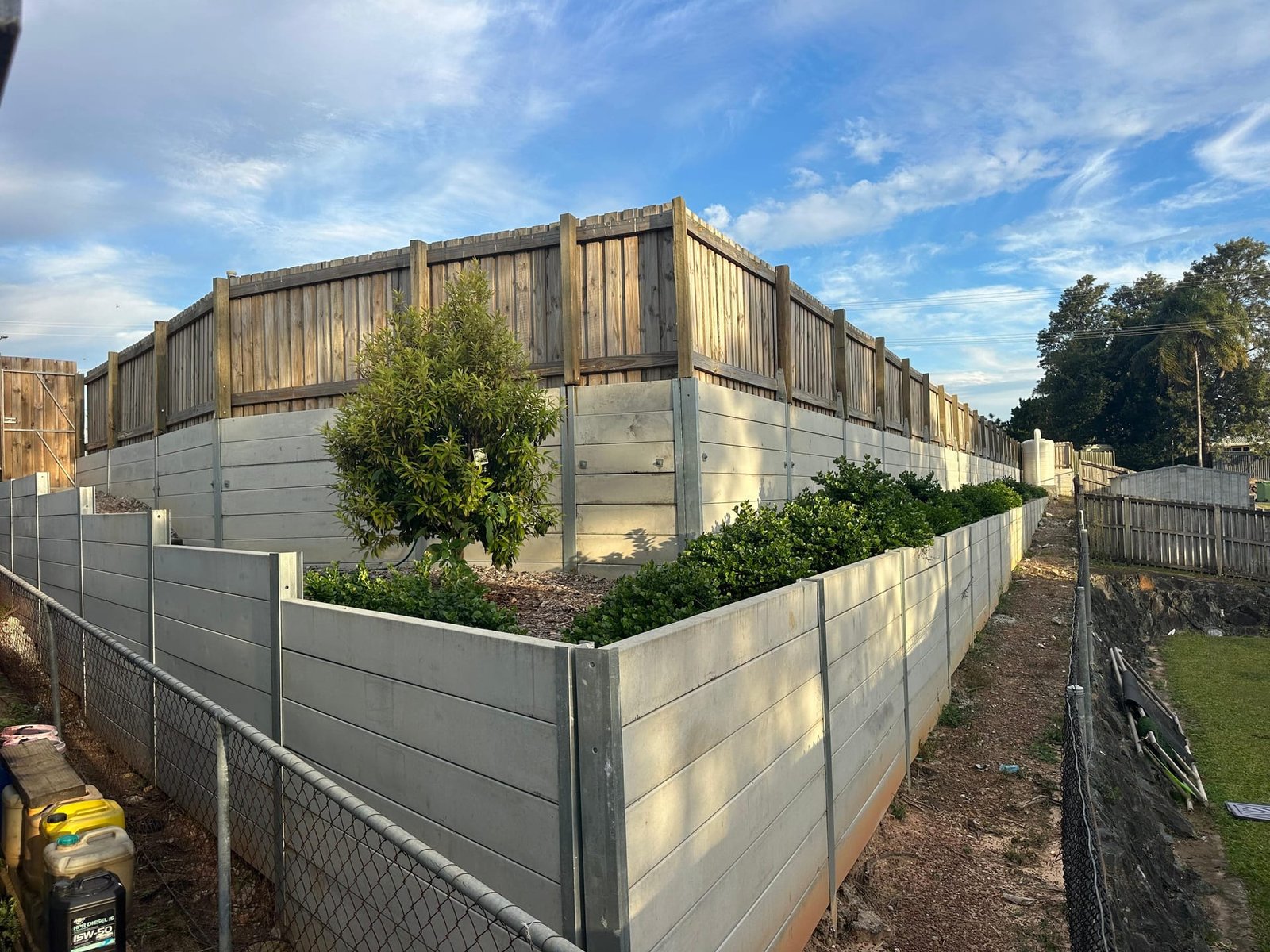
Reinforced Block / Masonry
Smooth or split-face block. Can be rendered, painted or left raw.
Lifespan
50+ years
Heights
0.5m – 4m+
Cost Tier
$$$ – $$$$
Strengths
- Architectural finish options
- Very strong and permanent
- Integrates with house design
Trade-offs
- Slower to build
- Requires footings and engineering
- More expensive than sleeper systems
Best for: Feature walls, walls forming part of the home's architecture, projects with a render or paint finish in mind.
Explore service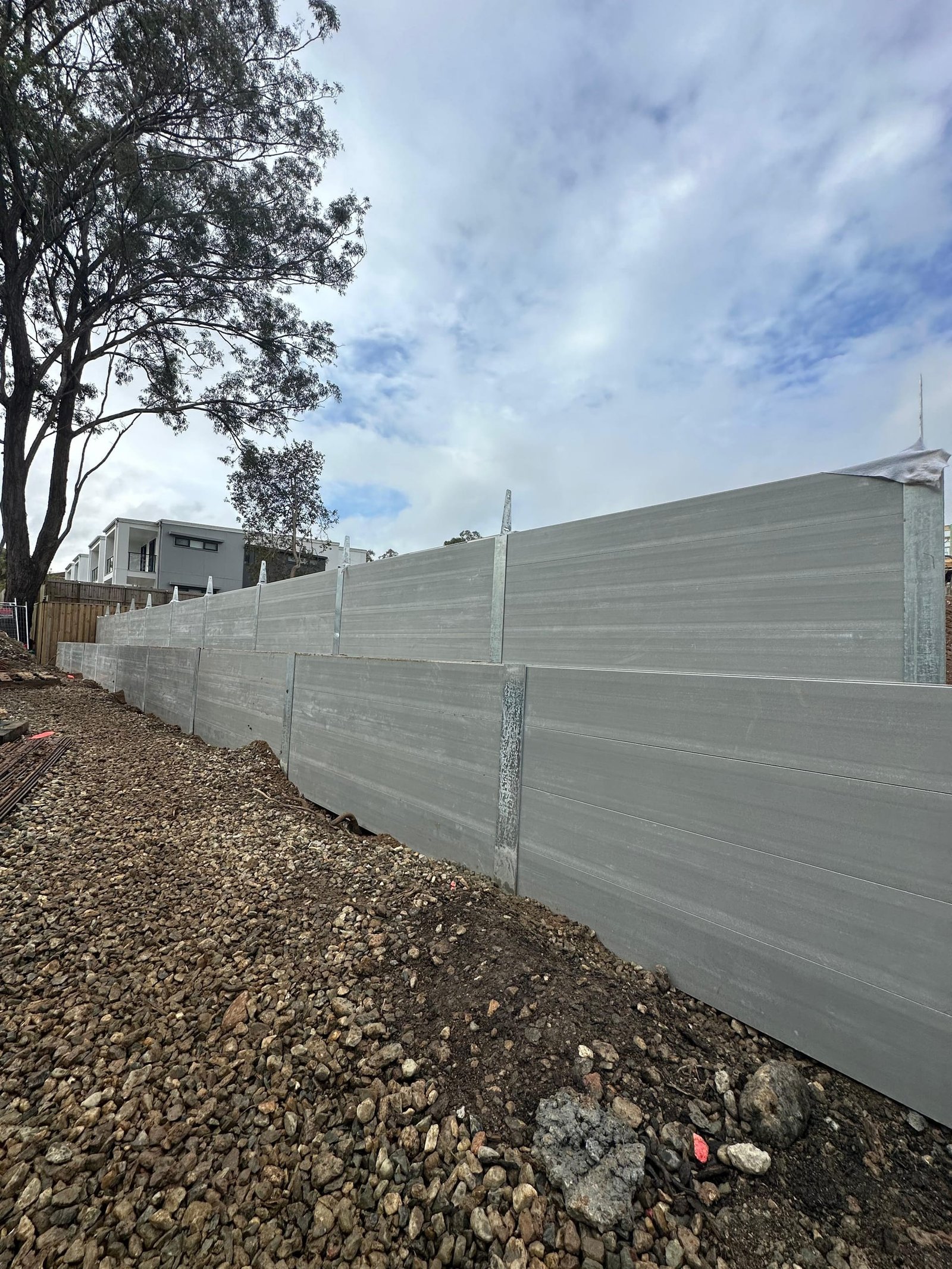
Natural Stone
Sandstone, basalt or boulder walls. Premium, organic, unique to every site.
Lifespan
80+ years
Heights
0.3m – 2m
Cost Tier
$$$$
Strengths
- Unmatched visual appeal
- Increases property value
- Ages beautifully
Trade-offs
- High labour cost
- Limited heights without engineering
- Specialist install
Best for: High-end residential, heritage settings, feature walls where look outweighs budget.
Explore service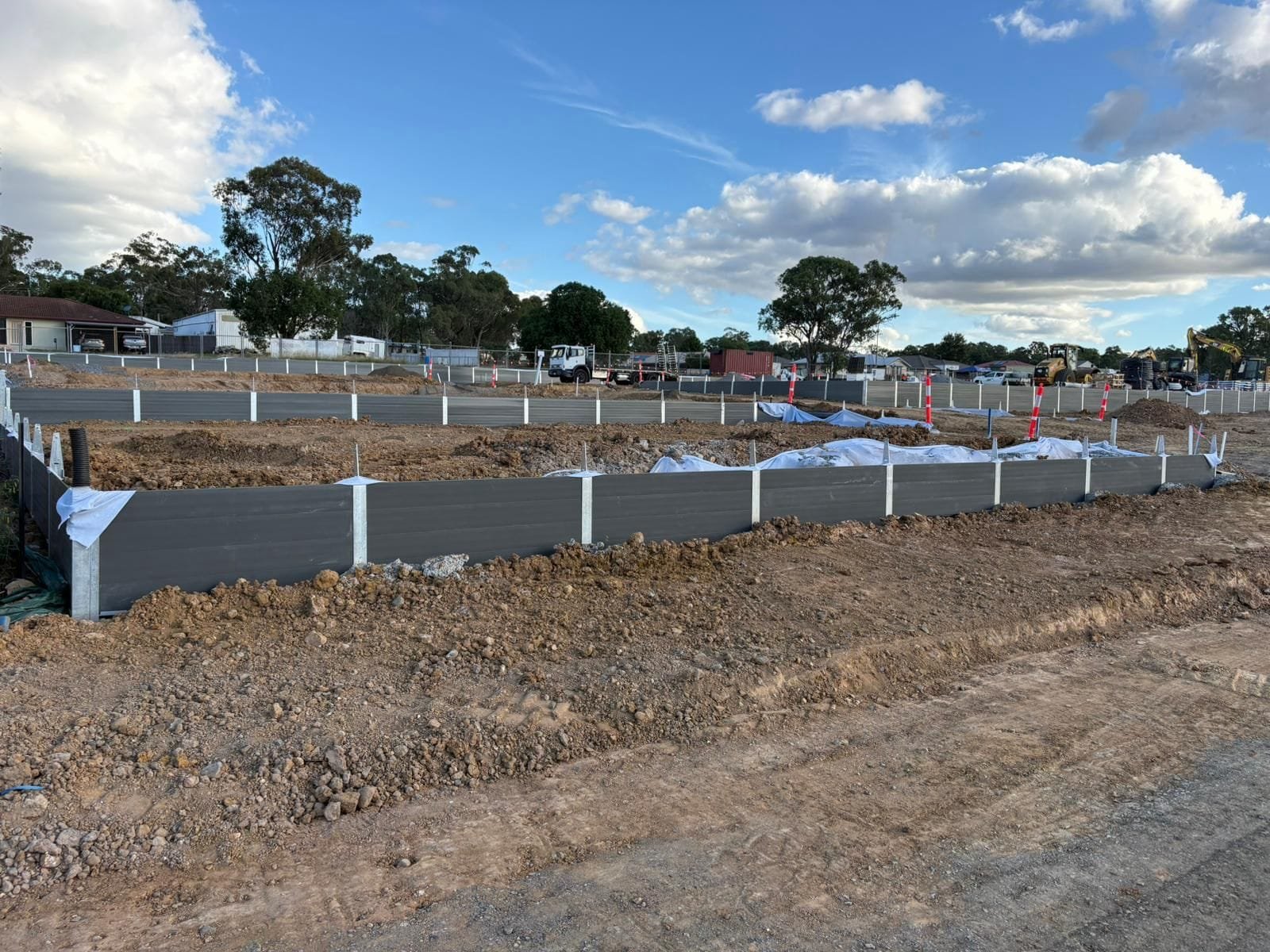
Gabion (Rock Cage)
Galvanised wire cages filled with stone. Industrial-chic, very distinctive.
Lifespan
50+ years
Heights
0.5m – 3m
Cost Tier
$$ – $$$
Strengths
- Free-draining
- Distinctive look
- Permeable to water
- Can flex without failing
Trade-offs
- Aesthetic isn't for every home
- Stone fill cost varies
- Looks utilitarian in some settings
Best for: Modern architectural homes, rural blocks, sites where drainage is a major concern.
Explore serviceQuick Reference: Matching Material to Project
Skip ahead to the scenario closest to yours — we've included the material we'd recommend most often and why.
Scenario
Modern home, front yard, wall is visible from the street
Decorative concrete sleeper
Clean lines, premium look, 60-year life — and finishes that complement contemporary architecture.
Scenario
Back garden, under 1m, working to a tight budget
Treated timber
Lowest cost, fast install, weathers naturally into the garden. Plan to replace in ~20 years.
Scenario
Sloping block, pool above the wall (surcharge load)
SuperSleeper® or engineered concrete sleeper
Pool water + people + concrete coping is a serious load. You want engineered certification, not guesswork.
Scenario
Heritage or character home where the wall is a feature
Natural stone or rendered masonry
Material becomes part of the architecture. Spend more here, get it right once.
Scenario
Builder or developer doing a subdivision
SuperSleeper® systems
Engineered documentation, predictable install timelines, suits the commercial scale and compliance requirements.
Scenario
Rural block with significant water flow
Gabion or free-draining concrete sleeper
Both handle water beautifully — gabion lets it through, sleeper systems redirect it via proper drainage.
Don't Underestimate Curb Appeal
A front-yard retaining wall is one of the first things a visitor or buyer sees. Real-estate agents consistently report that a well-finished retaining wall lifts perceived property value by adding visual weight, structure and a sense of investment. The material you pick is doing more than holding back dirt — it's framing the home.
Not Sure Which Material Fits Your Site?
We'll walk your site, assess the slope, drainage and load requirements, and give you a clear material recommendation with transparent pricing.